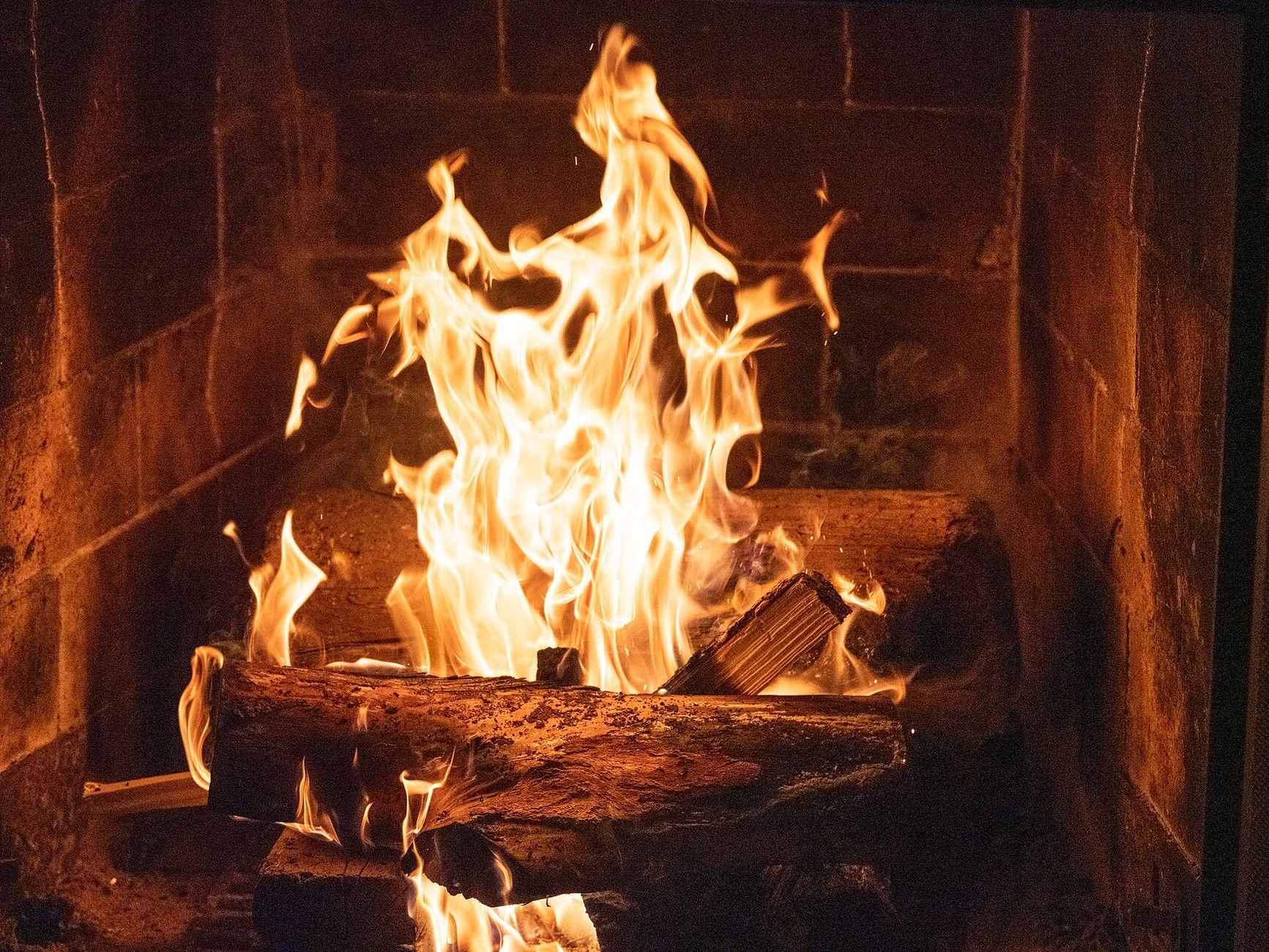
A fire in the seller's past is a question for the buyer
Sometimes a disclosure form for a Ventura house mentions a chimney fire. More often it says nothing, and the first hint is a buyer's general inspector noting heavy creosote or a stained firebox. Either way, the buyer is about to take on a chimney with a history nobody has fully recorded, and the time to settle it is before the contingency ends, not after the keys change hands.
This post is for buyers and their agents. It covers what a chimney that has burned looks like on camera, what that means for the purchase, and the order to book things so the answer arrives while you can still act on it.
What a general home inspection catches
A general inspector covers the roof, plumbing, wiring and the rest in one visit, and the chimney gets a few minutes. Most will shine a light up from the firebox and look at the top from the roof or from the ground. That can show a broken crown or a missing cap. It cannot show a split tile fifteen feet up the flue, and that is where a past fire leaves its mark.
When a general report says "recommend further evaluation by a chimney specialist", that is the inspector telling you their view stopped at the damper.
What we look for on a house with a possible fire history
On a Level 2 inspection, the camera goes the full height of the flue and records it. On a chimney that has burned, we look for:
- Creosote that has puffed and crusted, or a flue that has been swept clean but still shows heat marks on the tile
- Vertical cracks in clay tile and gaps at the joints
- Chunks of tile sitting on the smoke shelf
- A damper that will not close square, or a cap that has warped or discoloured
- Patched or painted areas in the firebox and on the face that hide what was under them
- Signs of heat on wood framing where the chimney passes the attic
We also note when a flue looks recently relined, since a new liner on an older house often means something happened.
What it means for the deal
A finding is only useful if it turns into a number the buyer can put in front of the seller. Our report gives a photo, a location and a plain meaning for each item, and a separate written repair figure. That is what a buyer's agent folds into a repair request or a credit talk. Our home sale inspection page covers how the timing usually runs.
The figures we publish for the most common follow-up items:
- Full flue camera inspection for the sale: $375
- Visual check only, from the hearth and the roof: $52
- Sweep before or after a camera run: from $400
- A new cap with spark screen: quoted after we measure
- Finding and fixing a chimney that lets water in: $535 to $3,200
Relining and rebuilding have no published figure here. After the camera run you get a written number for each, which the buyer's agent can attach to a repair request.
The order that keeps the contingency workable
The simple version is: book the chimney when you book the general inspection, not after its report comes back. Waiting for the general report and then calling a chimney company eats into the window for no reason, because a house with a fireplace will almost always get the chimney flagged.
- Once both sides have signed, book the general inspection and the Level 2 in the same round of calls.
- Tell us who has keys and who should receive the report: you, your agent, your lender if they asked.
- We run the camera, write the report and send it to everyone you named.
- If the report finds fire damage, the written repair figure follows so your agent has numbers to put in a request.
Book the Level 2 for the house you are buying. Give us the address, the name of your agent and anyone else who should get the report, and we will arrange access through the listing side.
If the seller already has a chimney report
Read the date, and check whether it was a full camera run or a visual check. A visual check done before a fire, or a camera run that ended at the smoke chamber, does not settle the question. A full recent Level 2 with footage may. If you are unsure, send it to us through the contact page and we will say whether it covers what you need.
For sellers who know about a past fire
If you are selling a house that had a chimney fire, a Level 2 before listing lets you choose what to fix and what to disclose, rather than meeting it in the buyer's report. Our page for real estate agents explains how listing agents usually book this. If the fire led to a claim and a repair, the closing report and photos from that repair are worth putting in the disclosure packet.
Questions buyers ask us
Will I have to attend? No. Your agent can meet us or arrange access, and you get the report and photos either way.
Can my agent and the seller's agent both get the report? That is your choice as the client. We send it to whoever you name.
What if the camera finds nothing? Then the report says the flue is sound, and you have a dated record of it, which helps when you sell.
Is a chimney fire a reason to walk away? Rarely on its own. It is a reason to know the repair cost before you sign off the contingency.
Buying in Ventura, Camarillo, Ojai or Fillmore with a fireplace in the house? The contact page gets a camera booked in time to count.
Not Sure What the Fire Left Behind?
Ingram Chimney Works films each flue, checks the attic and roof, and writes up the damage with a price beside every repair. Visits run from Ventura to Camarillo, Ojai, Fillmore and the rest of the county.