
Two fixes for one burned flue
After a chimney fire, the repair usually narrows to one of two paths. Either a new liner goes inside the old chimney and the brick stays, or part of the chimney comes down and goes back up. Owners in Ventura often hear one option from one company and the other from the next, and both can be right for different chimneys. The camera decides which applies to yours.
This post compares the two so you can read a quote with some sense of why it says what it says.
What each one fixes
Relining answers damage on the inside. Cracked or displaced clay tiles stop doing their job, which is to hold heat and smoke away from the brick and the wood framing around it. A new liner, usually stainless steel for wood or gas and sized to the appliance, runs from the firebox to the top and takes that job over. The old tiles stay where they are or are broken out to make room. Our liner installation page covers the materials.
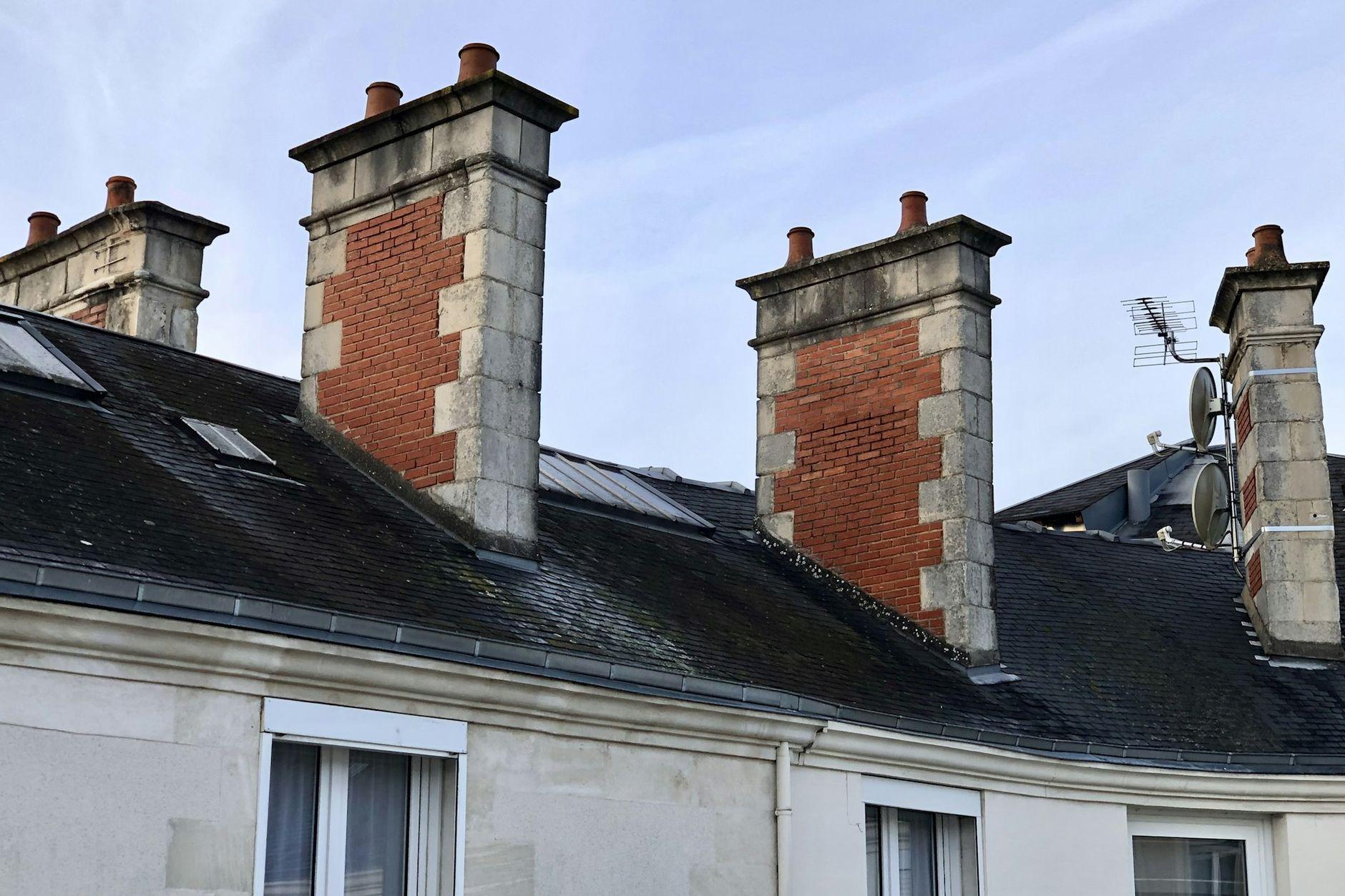
Rebuilding answers damage to the structure. A hard fire, followed by water from the hose or the next storm, can loosen the brick near the top of a stack, crack the crown through, or open mortar joints so the column leans. A liner inside a loose chimney is a new pipe in a failing wall. When the masonry itself is gone, it has to be taken down to where the brick is sound and laid again. See chimney rebuilds for how far down that can go.
Some chimneys need both: a rebuild of the top section, then a liner through the whole height.
How the camera sorts them
Here is how footage from a Level 2 inspection points one way or the other.
| What the camera and roof check show | Where it usually leads |
|---|---|
| Cracked tiles, brick and mortar outside still tight | Liner only |
| Tiles missing in sections, smoke staining on the brick between them | Liner, often after breaking out loose tile |
| Brick above the roof rocking or gapped, crown split through | Rebuild of the top section, then liner |
| Chimney leaning or pulling off the wall | Rebuild to sound brick, then liner |
| Little damage beyond burned deposits | Sweep, new cap, keep using with care |
The last row matters. Not every chimney fire ends in a big job. Sometimes the fire was brief, the tiles held, and the fix is a sweep from $400 and a new cap quoted after we measure. We say so when that is what we see.
Cost: why neither has a flat figure
Neither relining nor rebuilding carries a published price on this site, and for a fire job that is deliberate. The range is too wide to be useful until we have seen the flue.
A liner costs more as the chimney gets taller, as the flue shape gets awkward, and as more old tile has to come out first. A gas unit needs a smaller liner than an open wood fire. A rebuild costs more the further down the loose brick goes and the harder the roof is to work on.
What we can tell you before the visit: the camera inspection that sorts all of this is $375, and after it you get a written figure for each piece of work tied to a photo.
Deciding what to put in the chimney next
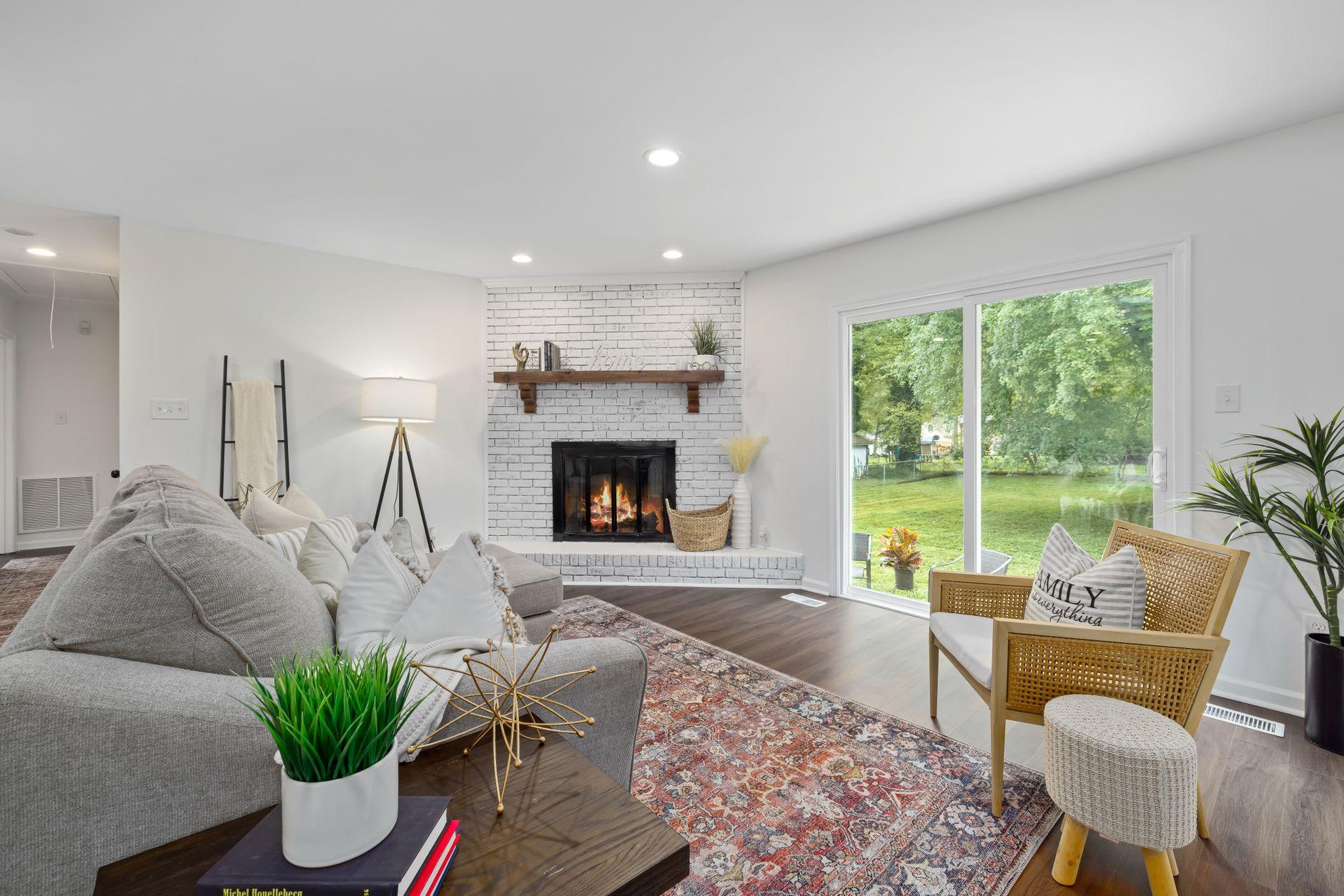
The fire is a natural point to decide how you want to use the fireplace from here, because the liner choice follows from it.
- Keep an open wood fire. The liner is sized to the fireplace opening, which makes it the largest and most costly option.
- Put in a wood insert or stove. The liner is sized to the stove outlet, smaller and tighter, and the stove burns far less wood for the heat.
- Switch to gas. A gas unit fitted behind glass in the old opening costs $2,650 to $5,350 here, with a small liner or vent pipe to suit. Many owners who have just been through a flue fire choose this route.
Our fireplace inserts page lists the units we fit.
Get a figure for your chimney
Tell us what you intend to burn after the repair and when the fire happened. Send that through the form above and we will set up the camera inspection, then write a figure for relining, rebuilding, or both, based on the footage. If you have an insurance claim open, mention it so the report is written with the adjuster in mind.
How long each option keeps you out of the fireplace
We do not promise dates here, because both jobs depend on the weather and on parts. In general, relining is a shorter job than a rebuild because the brick stays put. A rebuild involves mortar that has to cure before the chimney is fired again. Either way, the fireplace stays cold from the fire until the final check.
Questions we get on this choice
Can a liner go into a chimney with a few loose bricks at the top? Only if the loose section is relaid first. A liner does not hold masonry together.
Is a rebuild ever optional? If the brick is loose above the roof, no. A stack that is moving can drop pieces onto the roof or the yard in the next strong wind or a quake.
Will I see the photos that led to the recommendation? Every recommendation in our quote points back to a photo in the report.
Does a rebuilt chimney match the old one? We match brick size and colour as closely as the supply allows, and say in writing where it will differ.
Chimneys in Ventura, Camarillo and the towns around them come in every age and build, so the answer here is always this one chimney. Ask through the contact page and we will start with the camera.
Not Sure What the Fire Left Behind?
Ingram Chimney Works films each flue, checks the attic and roof, and writes up the damage with a price beside every repair. Visits run from Ventura to Camarillo, Ojai, Fillmore and the rest of the county.